Agentic AI is the biggest buzzword in tech right now, and one of the least understood. The market is racing from around $7.8 billion to over $52 billion by 2030, and Gartner reports that only 17% of organisations have actually deployed AI agents so far, while more than 60% expect to within two years, the most aggressive adoption curve of any emerging technology they track. Yet most people throwing the term around cannot say what it actually means, or how it differs from the chatbot they already use.
This guide gives you the plain version: what agentic AI is, what it can realistically do for a business, and how to use it without burning money on hype.
What agentic AI actually is
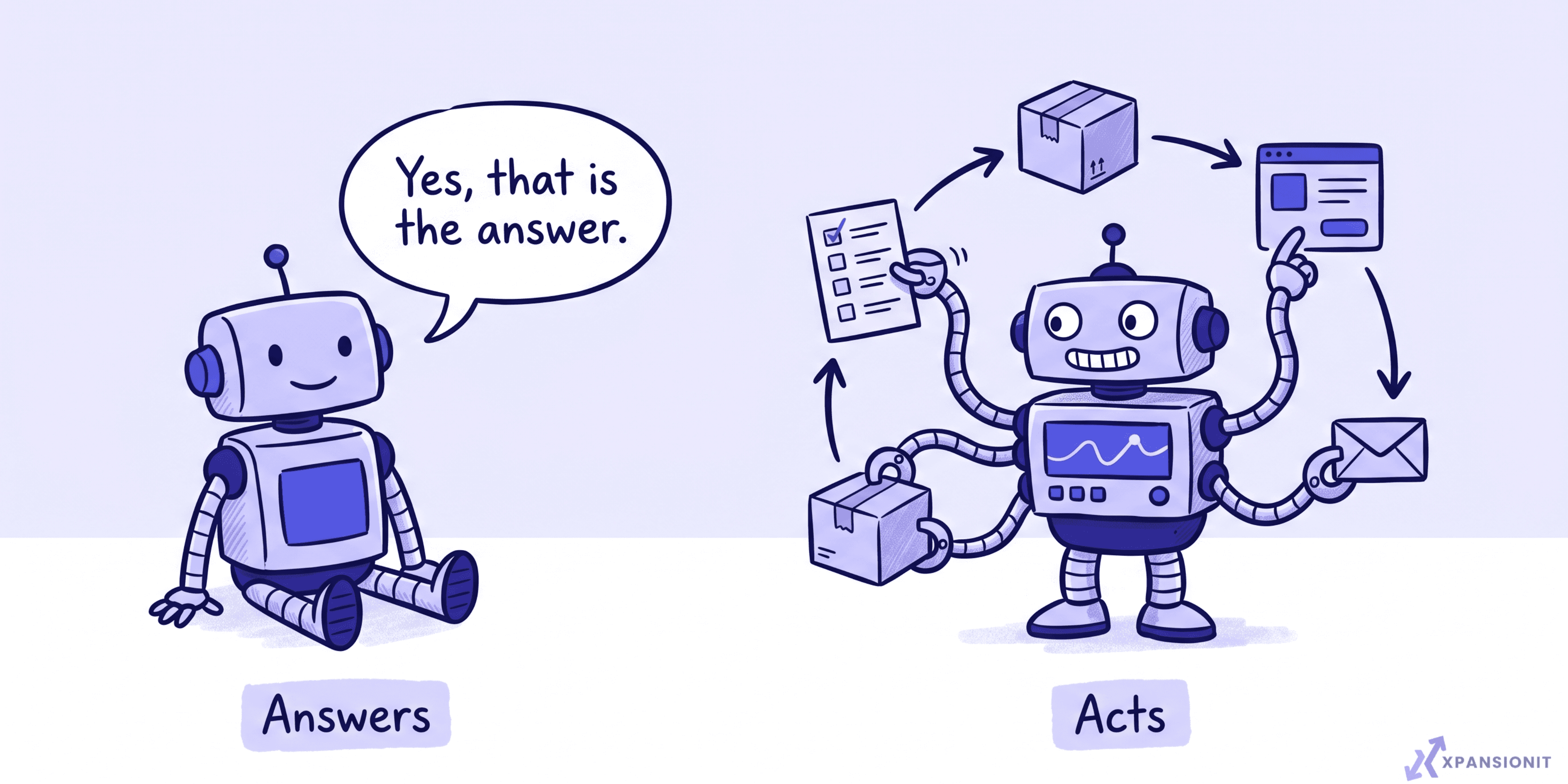
Agentic AI is software that can pursue a goal, make decisions, use tools, and take actions with little supervision, rather than just answering a prompt. The difference is simple: a chatbot answers, an agent acts.
Ask a chatbot how to process a refund, and it tells you the steps. Give an agent the goal "process this refund," and it checks the order, issues the refund, updates the record, and emails the customer. One responds. The other does the job.
Agentic AI versus chatbots and copilots
It helps to see the three side by side:
- A chatbot or assistant responds to prompts. You ask, it answers, and you do the work.
- A copilot suggests. It drafts and recommends, but you approve each step.
- An agent executes. You give it a goal, and it plans and carries out the steps itself, checking in only where it needs to.
The shift from copilot to agent is the shift from suggestion to delegation. That is why the term has taken over the industry: it moves AI from helping you work to doing the work.
Why the hype is real, and where it is not
The momentum is genuine. Gartner expects 40% of enterprise applications to include task-specific AI agents by the end of 2026, up from less than 5% in 2025. That is a real change in how software gets built.
But be clear-eyed about the limits. Gartner places agentic AI at the very peak of inflated expectations, and the gap between ambition and reality is wide. McKinsey research found that fewer than one in four organisations that experiment with agents actually scale them to production, and the ones that succeed do so by redesigning their workflows around agents, not by bolting an agent onto a broken process. So the opportunity is real, but the dream of a fully autonomous business running itself is not, at least not yet. The wins in 2026 are narrow and specific.
What agentic AI can realistically do for a business now
Forget "agentic everything." The value today is in narrow, repetitive, multi-step workflows with clear rules. Practical examples:
- Triaging and resolving common customer support requests end to end
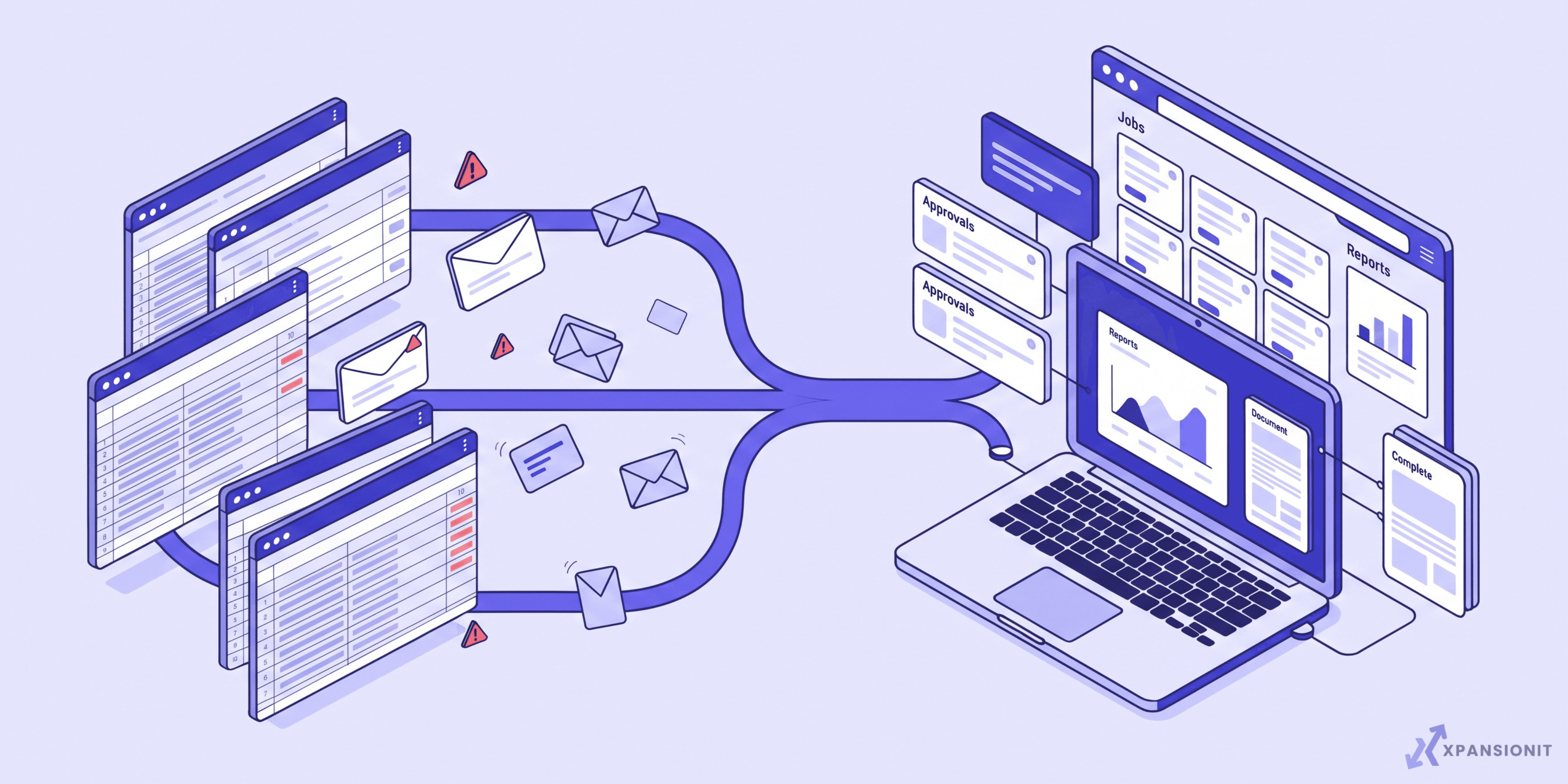
- Moving data between systems that do not talk to each other
- Qualifying and routing incoming leads
- Generating routine reports from live data
- Monitoring systems and acting on alerts
- Handling well-defined coding and testing tasks
The pattern is always the same: a defined job, clear rules, and a human watching the edges.
How to use agentic AI without the hype
- Start with one painful, well-defined workflow. Not a grand autonomous vision. One repetitive, multi-step task your team does constantly.
- Redesign the workflow for the agent. The organisations that succeed rethink the process rather than dropping an agent onto the old one. This is the single biggest predictor of success.
- Keep humans in the loop for high-stakes calls. Use bounded autonomy: let the agent run the routine steps, and escalate anything risky to a person.
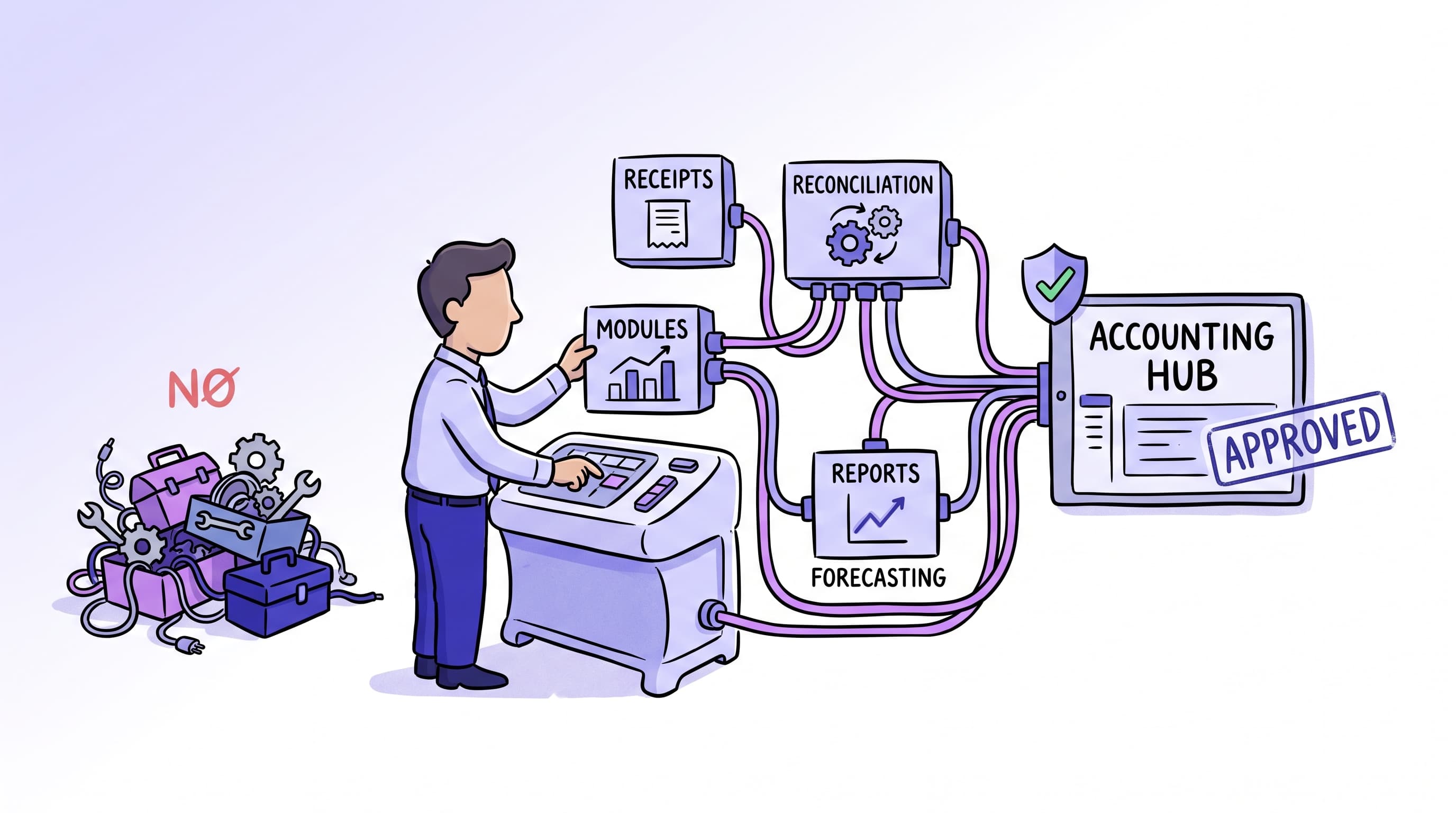
- Connect it to your real systems and data. An agent can only act if it has the tools and the data to act on, which is the core of proper AI integration and agentic workflow automation.
- Measure it, then expand. Prove the time or money saved on one workflow before rolling agents out across the business.
What to avoid
- Chasing fully autonomous agents for everything. Narrow and reliable beats broad and flaky.
- Deploying faster than you can govern and secure. Agents take real actions, so an ungoverned agent is a real risk.
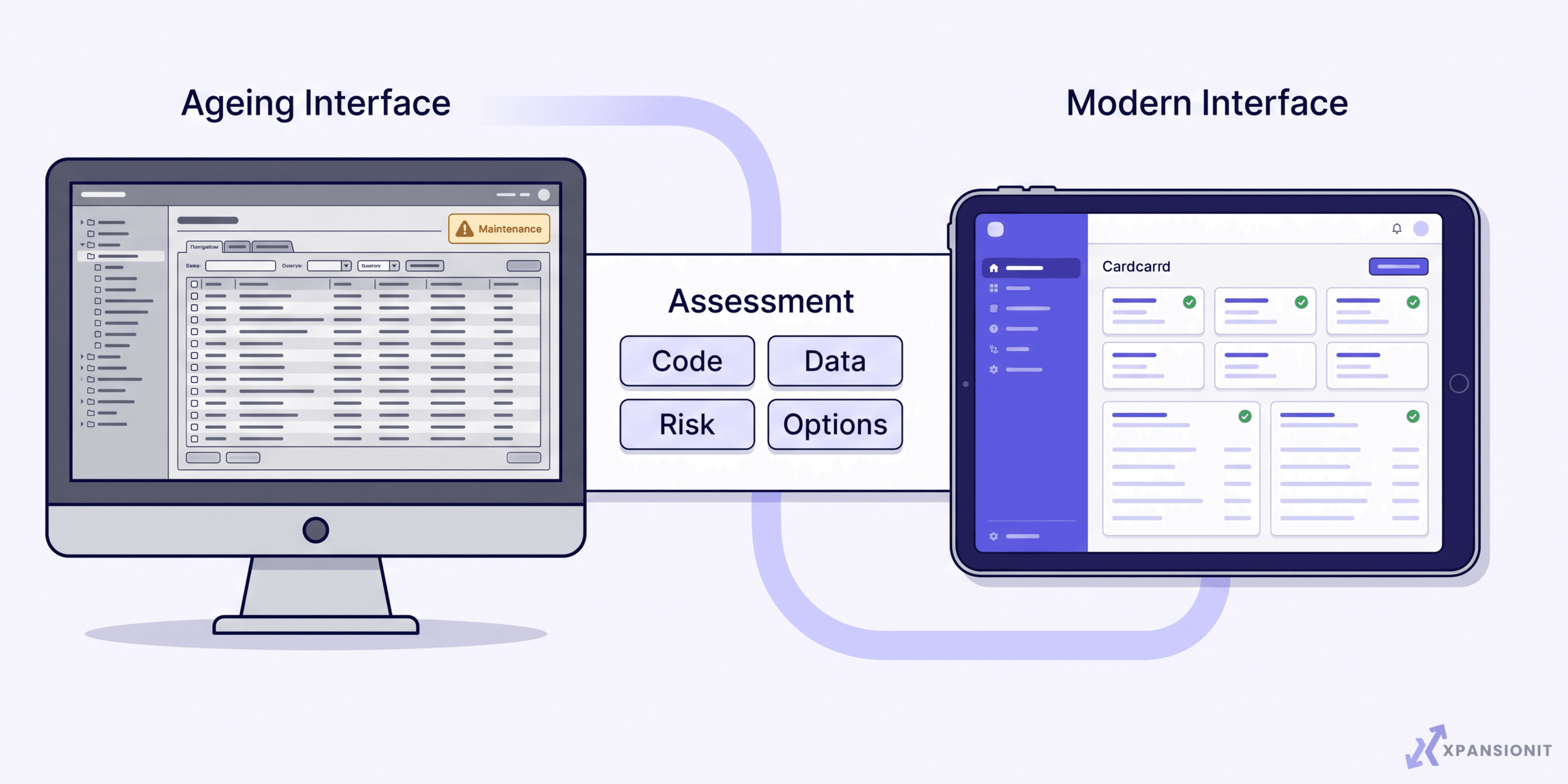
- Treating agents as a bolt-on. Layering an agent onto a messy manual process just automates the mess.
How to start
Pick the one multi-step task your team does over and over that follows clear rules. That is your first agent. Redesign it for automation, connect it to your data, keep a human on the high-stakes decisions, and measure what it saves. Get one working, and the next is far easier.
The short version
Agentic AI is software that pursues a goal and takes action on its own, rather than just answering like a chatbot. The hype is real, with adoption accelerating faster than any other emerging tech, but most organisations still struggle to scale it past experiments, and the wins in 2026 are narrow and specific. Start with one well-defined workflow, redesign it for the agent, keep humans on the risky calls, and expand from proven results.
If you have a repetitive workflow you think an agent could run, you can book an intro call and we will tell you honestly whether it is a good first candidate before any work begins.