Every CRM vendor now calls itself an AI CRM. But bolting a chatbot into the corner of a generic CRM is not the same as AI that actually moves your numbers. The market is moving fast: the AI in CRM segment is worth around $15 billion in 2026 and growing at roughly 36% a year, and about 80% of CRM users already use AI features. So the question for 2026 is not whether to use AI in your CRM. It is whether a generic AI CRM fits how your business actually works, or whether you need your own.
This guide covers what an AI CRM should really do, where off-the-shelf tools fall short, and when building a custom one is the smarter call.
What an AI CRM actually is
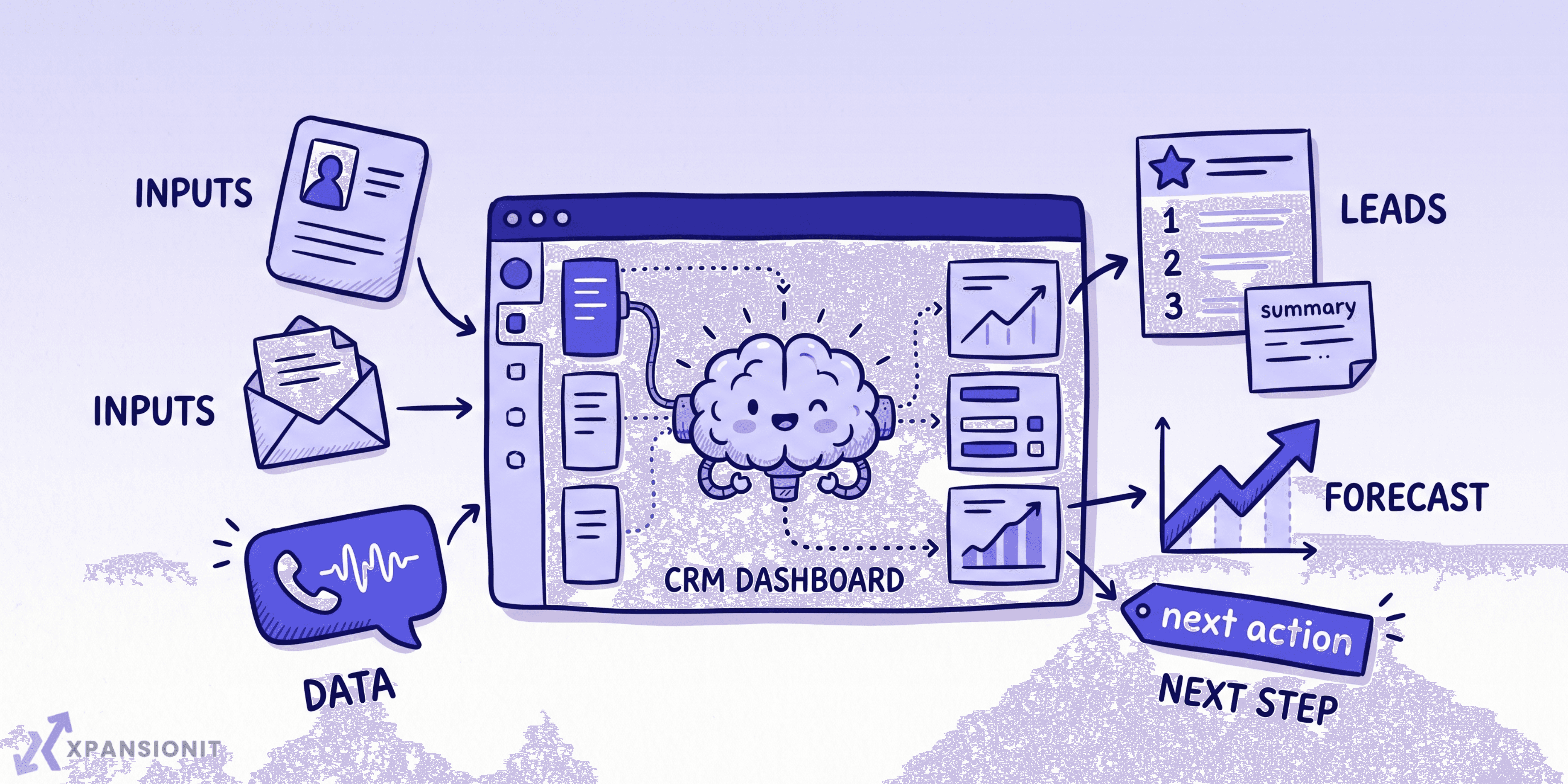
An AI CRM is a CRM where AI does real work on your customer and sales data, not just a chatbot sitting in the corner. Done properly, it scores and prioritises leads, summarises calls and emails, drafts follow-ups in context, forecasts the pipeline, flags deals at risk, and answers plain-language questions about your data.
The point of all of it is to give your team time back. Salesforce's own research found that sales reps spend only about 40% of their week actually selling. A good AI CRM is really a tool for clawing back the other 60%, the admin, the data entry, and the chasing.
The AI CRM features that actually matter
Ignore the demos and judge any AI CRM on whether these save real time:
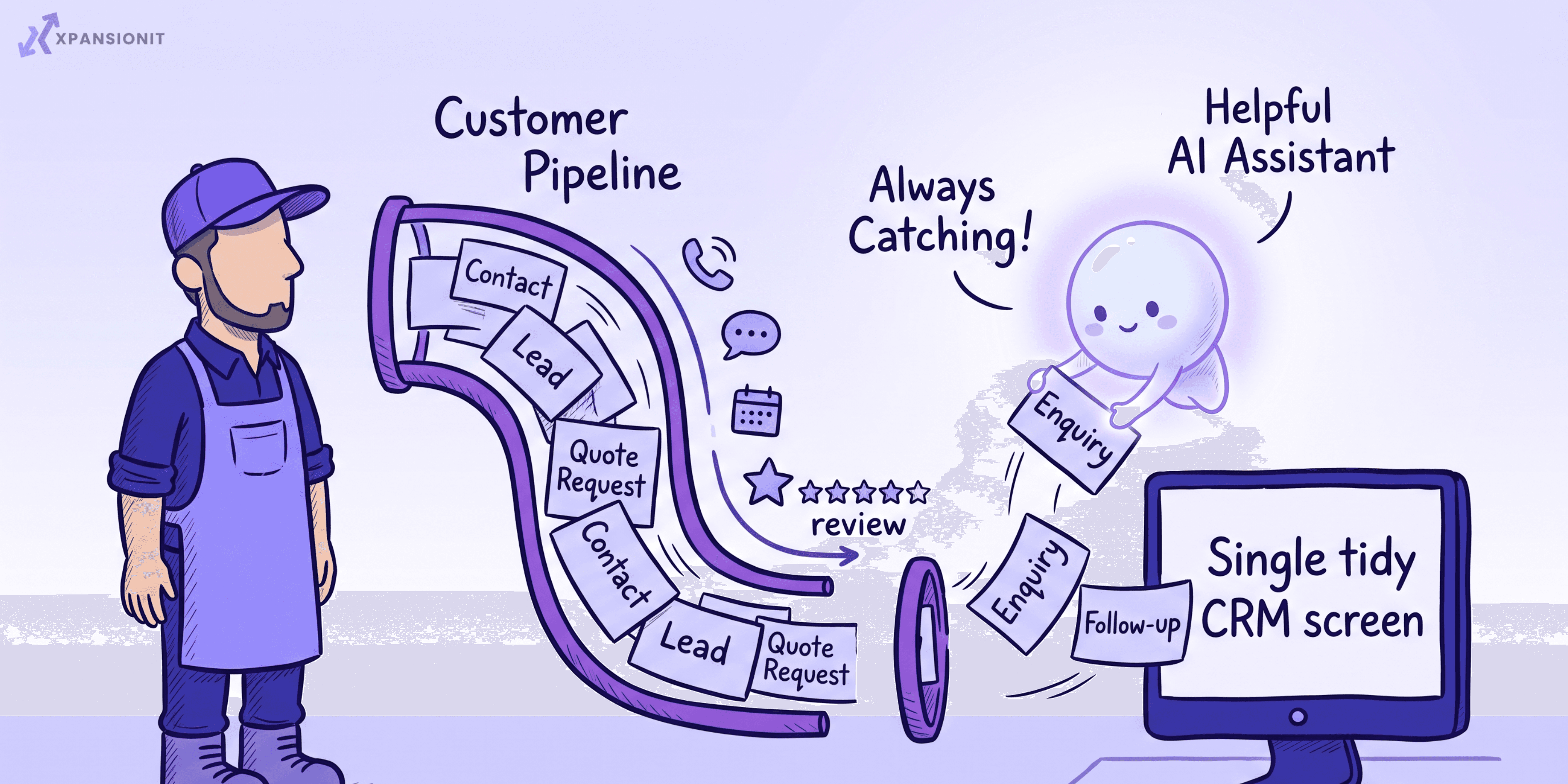
- Auto-capture and summarise. Calls, emails, and meetings turned into clean notes and next steps without anyone typing them up.
- Lead scoring from your data. Prioritising the deals most likely to close, based on your history rather than a generic model.
- In-context drafting. Replies and follow-ups drafted with the full thread and customer history in view.
- Forecasting and risk flags. Surfacing which deals are slipping before the quarter ends.
- Natural-language queries. Asking "show me deals stuck over 30 days" and getting an answer, no report builder required.
- Agents that take action. Multi-step tasks, like updating records and scheduling follow-ups, handled automatically.
Why the AI CRM race is on
CRM is already near-universal. About 91% of companies with ten or more employees run a CRM, in a market worth roughly $126 billion in 2026 and forecast to reach about $321 billion by 2034. With adoption that high, vendors compete on AI now, which is why every product on the market has rebranded around it. That is good for you, because the capability is real, but it also means the label "AI CRM" tells you almost nothing on its own.
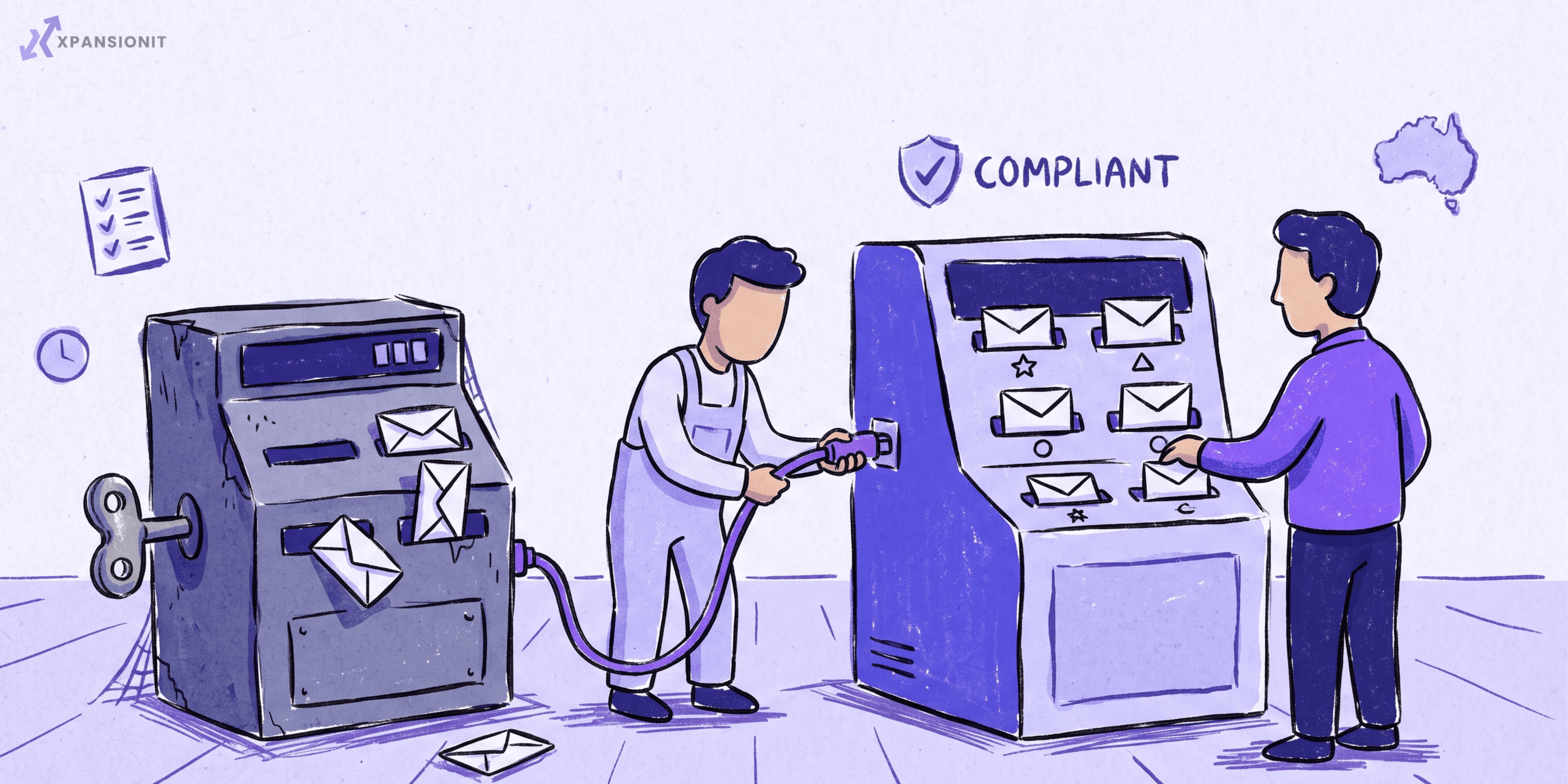
Where off-the-shelf AI CRMs fall short
A generic AI CRM is a fine starting point, but it hits real limits.
- The AI is trained on generic patterns, not your business. Its lead scoring and suggestions are built for the average company, so they are average for yours.
- It only sees part of your data. Your customer information is usually scattered across tools, and AI is only as good as the data feeding it. As the industry has learned, AI delivers value only when it sits on accurate, unified data, and data integration is the real bottleneck, not the model.
- You pay a per-seat AI premium you cannot shape. The AI does what the vendor decided, at the price the vendor set, whether or not it fits your workflow.
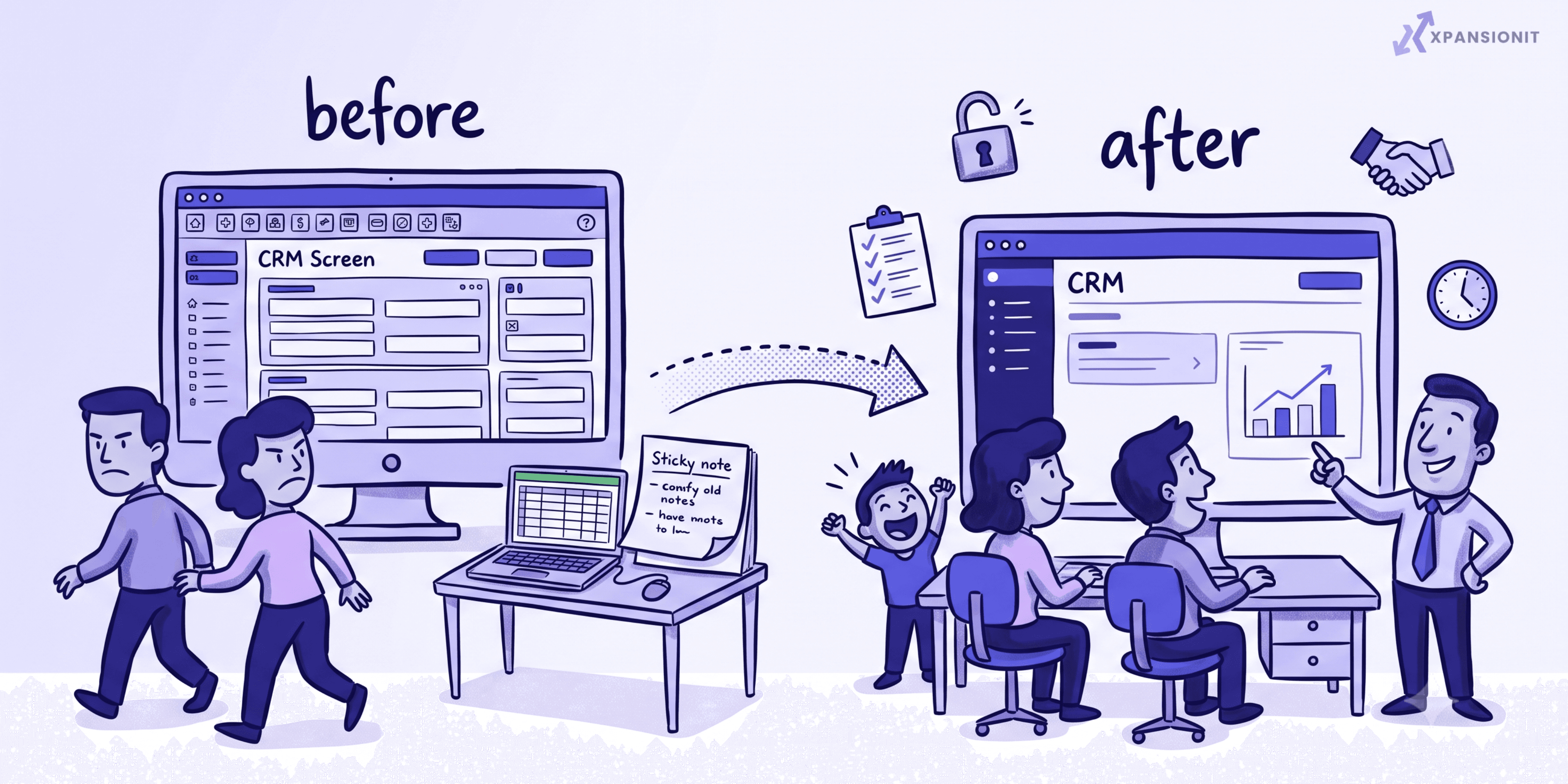
- There is a hard customisation ceiling. When your process does not match the tool, you bend your process to the software.
This fit problem is not minor. Roughly 55% of CRM implementations fail to meet their objectives, often because of poor fit, data entry friction, and low adoption. AI does not fix a CRM that does not match how your team works. It just automates the mismatch.
When a custom AI CRM wins
Building your own makes sense when several of these are true:
- Your sales or operations process is unusual or industry-specific.
- You hold valuable proprietary data the AI should learn from, rather than a generic model.
- You are paying heavily in per-seat AI fees as you scale.
- You need the CRM to integrate deeply with your other systems.
- You want to own it outright and control how the AI behaves and what it costs to run.
When off-the-shelf is the right call
Be honest here. If you have a small team, a standard sales process, a tight budget, and no unusual requirements, a mainstream AI CRM is cheaper and faster to start with. Do not build for the sake of it. The case for custom only gets strong when several of the points above apply at once.
How to build a custom AI CRM
- Map your real process first. The CRM should fit how you actually work, not the other way around.
- Build the core properly. A data model shaped around your business, on solid foundations, which is the heart of custom CRM development.
- Fix the data before the AI. Unify and clean your customer data first, because an AI working on messy, scattered data will be confidently wrong.
- Connect the AI to your data. Use retrieval so the AI answers from your world, not generic patterns, which is the core of real AI integration.
- Add the features that match your workflow. Scoring, summarising, drafting, and natural-language queries that fit your team, not a vendor's defaults.
- Automate the busywork. Connect your stack and let business process automation kill the data entry that makes reps abandon CRMs in the first place.
- Mind the running costs. Every AI action costs money, so scope and price it so it stays sustainable as you grow.
How to start
Audit three things: where your current CRM frustrates your team, what you are paying per seat for AI features, and how scattered your customer data is. If a generic AI CRM cannot fit your process or see your full picture, a custom AI CRM built around how you work, and trained on your data, will outperform it.
The short version
An AI CRM puts AI to work on your sales and customer data: scoring leads, summarising conversations, drafting messages, forecasting, and answering questions. Off-the-shelf AI CRMs are fine for standard needs, but they run on generic models, see only fragmented data, and cannot be shaped to your workflow. When your process is specific, your data is valuable, or per-seat AI fees are mounting, a custom AI CRM built around your business wins.
If you are weighing a custom AI CRM against an off-the-shelf one, you can book an intro call and we will give you a straight answer before any work begins.